



Comparing Flexible vs Rigid Packaging: What’s Right for Your Product?

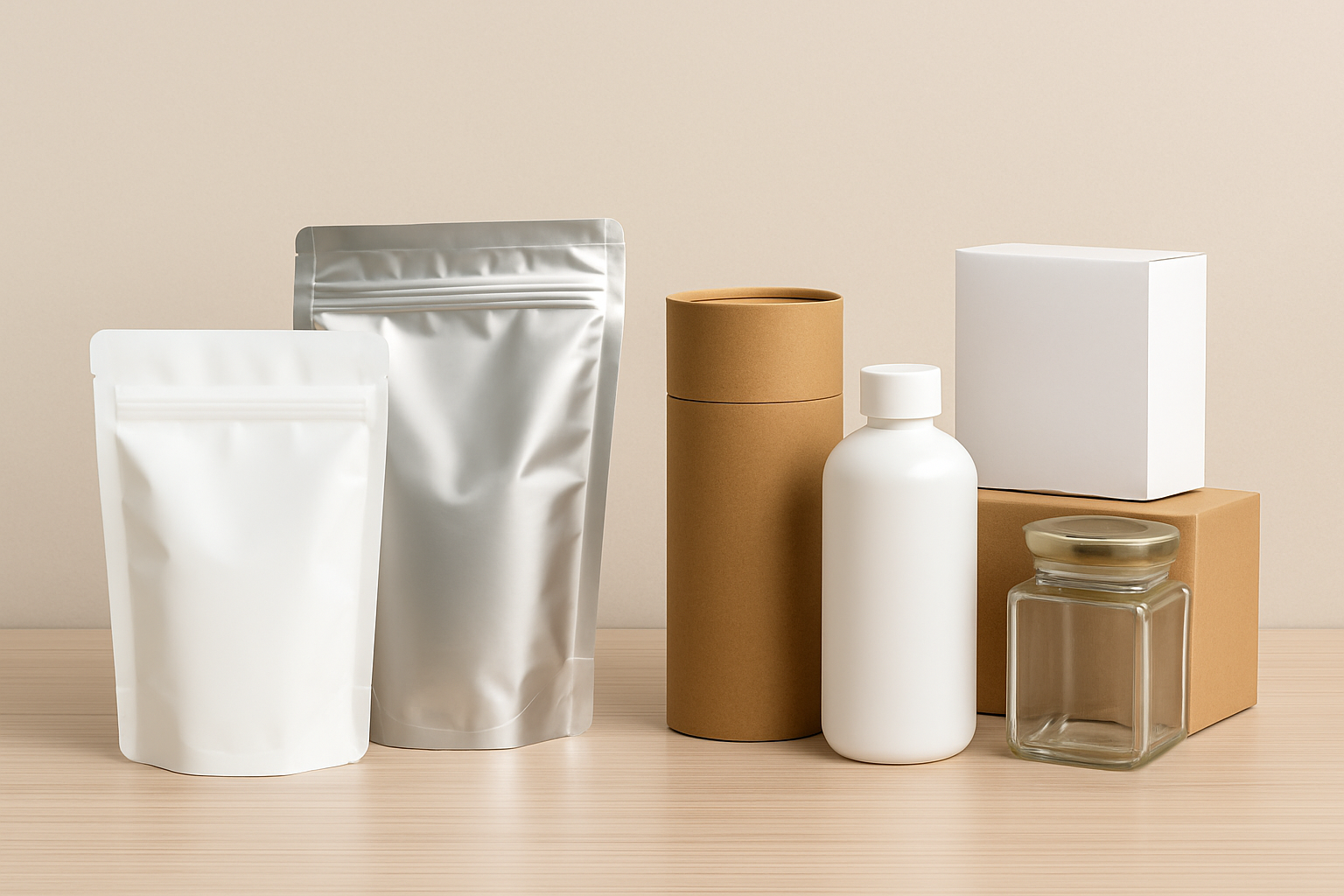
When it comes to packaging, one size doesn’t fit all. Businesses in the UAE are increasingly focusing on choosing the right packaging type to optimize logistics, enhance brand visibility, and ensure product safety. Two of the most commonly used types of packaging are flexible packaging and rigid packaging — and each has its unique strengths.
In this blog, we’ll break down the differences between flexible and rigid packaging, discuss their pros and cons, and help you determine which is the right fit for your product and industry.
What is Flexible Packaging?
Flexible packaging is made from materials like plastic films, foil, or paper that can easily change shape. It includes items such as pouches, bags, shrink films, and wraps.
✅ Common Uses:
- Food packaging (snack bags, frozen food)
- Cosmetics & personal care (sachets, refill pouches)
- Pharmaceuticals (blister packs, strip packs)
- E-commerce packaging
✅ Advantages:
- Lightweight: Reduces shipping costs significantly
- Space-saving: Takes up less room in storage and transit
- Eco-friendly options: Available with recyclable or biodegradable materials
- Customizable: Easily printed with vibrant designs and brand elements
❌ Limitations:
- Less protection for fragile or heavy items
- Shorter shelf life for certain perishable products
- Perceived as lower value in luxury markets
What is Rigid Packaging?
Rigid packaging refers to containers that hold their shape, such as glass jars, plastic bottles, metal tins, and cardboard boxes. It’s commonly used where product protection and presentation are key.
✅ Common Uses of Rigid Packaging
- Electronics and gadgets
- Glass bottles for beverages
- Perfume and cosmetics
- High-end food products (e.g., luxury chocolates)
✅ Advantages of Rigid Packaging
- Excellent product protection
- Premium look and feel for luxury branding
- Reusability: Adds value to customer experience
- Stackable: Ideal for display and organized shipping
❌ Limitations:
- Higher cost for production and transport
- Takes up more space in inventory
- Not always eco-friendly (e.g., certain plastics, composites)
Flexible vs Rigid Packaging: Side-by-Side Comparison
| Feature | Flexible Packaging | Rigid Packaging |
|---|---|---|
| Material | Plastic films, foil, paper | Glass, metal, plastic, paperboard |
| Weight | Lightweight | Heavy |
| Protection Level | Moderate | High |
| Customization | High (shape, print, zipper) | Medium to High |
| Cost Efficiency | Lower | Higher |
| Sustainability | Improving with eco-materials | More recyclable options |
| Ideal For | High-volume, fast-moving goods | Premium or fragile goods |
Which One Is Right for Your Product?
1. Product Type
- For liquids, snacks, or personal care – flexible packaging is usually ideal.
- For electronics, fragile items, or premium products – rigid packaging adds perceived value and safety.
2. Branding & Experience
- If you’re going for a luxury feel, rigid packaging makes a bold statement.
- For convenience, flexible packaging is lightweight and easy to handle.
3. Budget & Logistics
- Flexible packaging is cost-effective for mass production and shipping.
- Rigid packaging may cost more but adds value in presentation.
4. Sustainability Goals:
- Both formats now offer eco-conscious alternatives like compostable films or recyclable rigid materials.
Packaging Support in the UAE: Let Bony Packaging Help You Choose
At Bony Packaging, we understand that the right packaging can define a product’s success. Whether you’re looking for cost-effective flexible pouches or luxury rigid boxes, we offer tailored solutions to match your brand goals, budget, and sustainability targets.
Our team works with companies across the UAE to provide high-quality packaging solutions that protect, promote, and perform.
📞 Ready to Upgrade Your Packaging?
Get in touch with Bony Packaging, a trusted packaging company in UAE, to consult with our experts and request a custom quote today.