



Corrugated vs Cardboard vs Kraft Paper: What’s the Difference and Which Should You Choose?

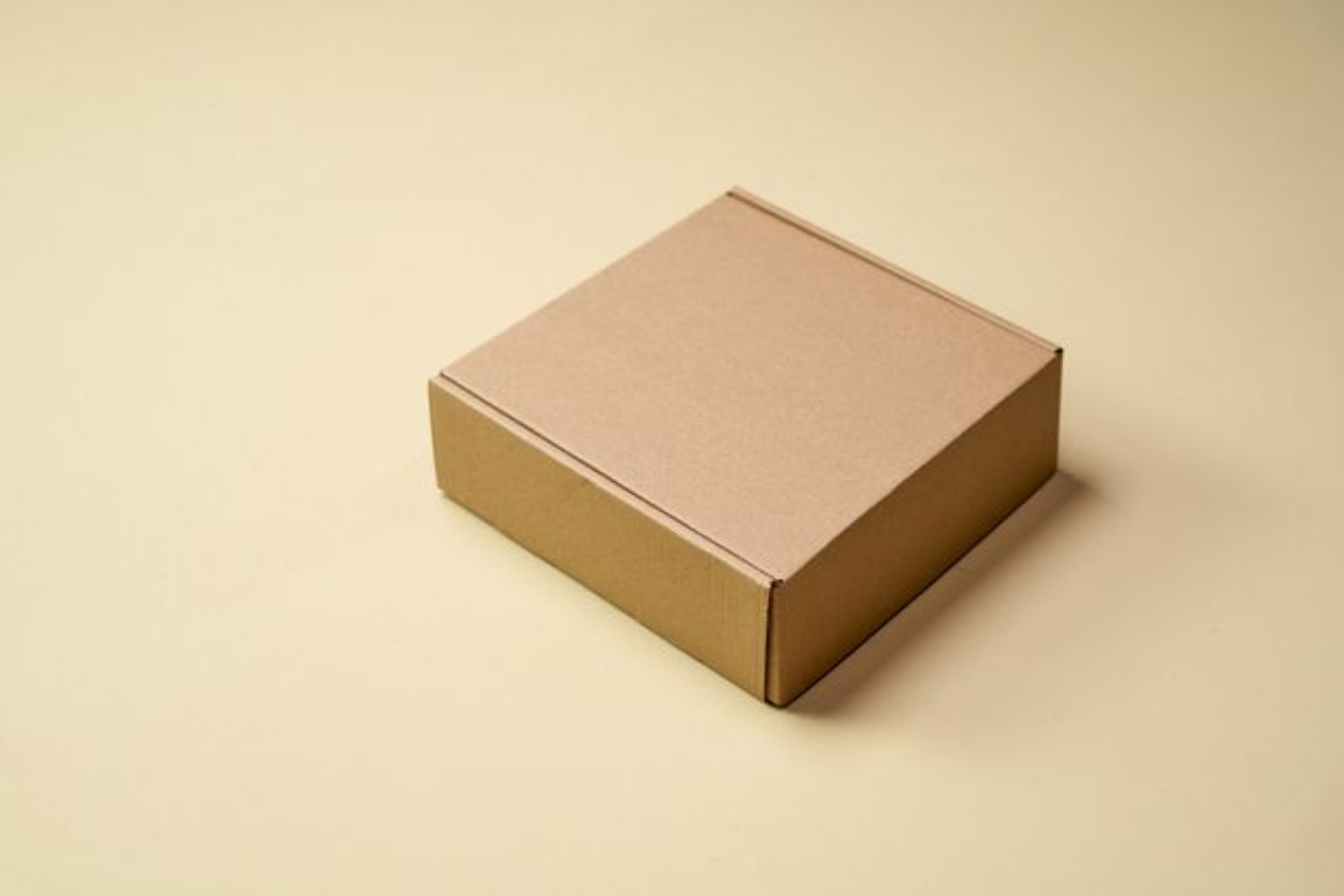
Choosing the right packaging material can have a major impact on product safety, shipping efficiency, and customer satisfaction. With so many packaging options available today, terms like corrugated boxes, cardboard boxes, and kraft paper packaging are often used interchangeably. However, these materials are not the same.
Each type of packaging has its own structure, strength, and ideal application. Selecting the wrong option can lead to damaged products, higher shipping costs, or packaging that does not meet your business needs.
Whether you are shipping products, storing inventory, or creating attractive product packaging, understanding the difference between corrugated, cardboard, and kraft paper helps you make a smarter choice.
Understanding Packaging Materials: Why the Right Choice Matters
Packaging is more than just a protective layer around a product. It plays an important role in transportation, storage, branding, and the overall customer experience.
A good packaging solution should:
- Protect products from impact and pressure
- Handle transportation and storage conditions
- Be practical and cost-effective
- Match the product’s weight and size
- Support sustainability goals
Different products require different levels of protection. A lightweight item may only need simple wrapping, while fragile or heavy products may require stronger packaging structures.
This is why businesses often compare corrugated packaging, cardboard packaging, and kraft paper packaging before choosing the right option.
What Is Corrugated Packaging?
Corrugated packaging is one of the strongest and most widely used packaging solutions. A corrugated box is made using multiple layers of paper, including an inner fluted layer placed between outer liner sheets.
The fluted layer creates air pockets that work as a cushion, helping absorb shocks and pressure during handling and transportation.
Unlike regular cardboard, corrugated material is designed for durability and strength.
Key Features of Corrugated Boxes
Corrugated boxes offer:
- High strength and durability
- Better protection during shipping
- Excellent stacking ability
- Lightweight construction
- Custom sizing options
- Recyclable material benefits
Because of their strength, corrugated boxes are commonly used for shipping, e-commerce deliveries, industrial packaging, food products, electronics, and many other applications.
When Should You Choose Corrugated Boxes?
Corrugated packaging is the best choice when your product needs reliable protection. It is especially useful for:
- Long-distance shipping
- Fragile products
- Heavy items
- Warehouse storage
- Export packaging
- Products requiring extra cushioning
For businesses that regularly send products to customers, corrugated boxes provide a balance between protection, affordability, and convenience.
What Is Cardboard Packaging?
Cardboard is a general term used for thick paper-based material. It is usually made from a single layer or multiple compressed layers of paper pulp.
Many people use the term “cardboard box” to describe all paper packaging, but technically, cardboard is different from corrugated material.
Cardboard is typically thinner and does not have the fluted inner layer that gives corrugated boxes their added strength.
Benefits of Cardboard Boxes
Cardboard packaging offers several advantages:
- Lightweight design
- Smooth surface for printing
- Easy customization
- Affordable production
- Suitable for retail presentation
It is commonly used for products that do not require heavy protection.
Common Uses of Cardboard Packaging
Cardboard boxes are often found in:
- Gift packaging
- Cosmetic packaging
- Small retail items
- Food cartons
- Lightweight products
- Product displays
For items that are already protected or do not face rough handling, cardboard can be a practical packaging option.
However, for shipping heavier products or items that need extra protection, corrugated packaging is usually the better choice.
What Is Kraft Paper Packaging?
Kraft paper is a paper material known for its natural brown appearance and strong fibers. It is produced using a process that maintains the strength of the paper, making it more durable than many regular paper options.
Kraft paper packaging is popular because of its simple appearance, flexibility, and environmentally friendly image.
Why Businesses Use Kraft Paper Packaging
Kraft paper is valued for:
- Natural and attractive appearance
- Lightweight structure
- Easy customization
- Recyclability
- Flexible usage
It is commonly used for wrapping, bags, liners, and protective layers inside packaging.
Applications of Kraft Paper
Kraft paper packaging works well for:
- Food wrapping
- Shopping bags
- Product wrapping
- Protective packaging
- Sustainable packaging solutions
While kraft paper offers good flexibility, it does not provide the same structural protection as corrugated boxes.
Corrugated vs Cardboard vs Kraft Paper: Main Differences
Understanding the differences between these materials makes it easier to choose the right packaging.
Strength and Protection
Corrugated boxes are the strongest option because of their multi-layer construction. The fluted layer provides cushioning and resistance against pressure.
Cardboard offers moderate protection and works well for lightweight items.
Kraft paper is mainly used for wrapping and flexible packaging rather than heavy-duty protection.
Durability
When products need to travel through multiple stages of handling, corrugated packaging performs better because it can withstand impacts and stacking pressure.
Cardboard is suitable for controlled environments, while kraft paper works best when flexibility is more important than strength.
Appearance and Branding
Cardboard and kraft paper provide smooth surfaces that are excellent for printing and creative designs.
Corrugated boxes can also be customized with printing, colors, and branding elements, making them suitable for businesses that want packaging that looks professional while remaining protective.
Sustainability
All three materials can support environmentally responsible packaging when sourced and managed properly.
Kraft paper is often preferred for minimal and natural packaging designs, while corrugated and cardboard packaging can also be recycled and reused.
The best choice depends on your product requirements and packaging goals.
Which Packaging Material Should You Choose?
The right packaging depends on what you are protecting and how it will be handled.
Choose corrugated boxes if:
- Your products need strong protection
- Items will be shipped frequently
- Products are fragile or heavy
- Boxes need to be stacked
Choose cardboard packaging if:
- Products are lightweight
- Packaging is mainly for presentation
- Items do not face rough transportation
Choose kraft paper packaging if:
- You need flexible wrapping
- You want a natural packaging appearance
- The product needs simple protection
Many businesses combine different materials to achieve the best results. For example, a corrugated box can provide outer protection while kraft paper can be used inside for wrapping and presentation.
How to Select the Best Packaging for Your Business
Before selecting packaging, consider these questions:
What Is Your Product Weight?
Heavy products require stronger packaging structures. Corrugated boxes are better suited for items that need additional support.
How Will the Product Be Transported?
If products are shipped through courier services, warehouses, or distribution networks, packaging should handle movement and pressure.
Does Your Product Need Cushioning?
Fragile items benefit from packaging materials that absorb impact and prevent movement inside the box.
Are You Looking for Custom Packaging?
Custom packaging allows businesses to create boxes that fit their products properly, reduce wasted space, and improve presentation.
Upgrade Your Packaging Experience with the Right Solution
Selecting between corrugated, cardboard, and kraft paper is not just about choosing a material. It is about finding packaging that protects your products, supports your business goals, and delivers a better experience to customers.
The ideal packaging solution should combine strength, functionality, appearance, and value. Whether you need protective shipping boxes, lightweight cartons, or customized packaging options, choosing the right material helps reduce damage and improve efficiency.
For businesses searching for reliable packaging solutions designed around their specific needs, Bony Packaging provides quality options that support different industries and product requirements. Explore our packaging services to find the right solution that balances durability, design, and performance.
Conclusion
Corrugated, cardboard, and kraft paper all have their own advantages, but the best choice depends on how you plan to use the packaging. Corrugated boxes provide superior strength for shipping and protection, cardboard works well for lightweight and presentation-focused packaging, while kraft paper offers flexibility and a natural packaging style.
Understanding these differences helps businesses avoid packaging mistakes and choose materials that match their products. With the right packaging approach, companies can protect their goods, improve customer satisfaction, and create a more efficient delivery experience.
Bony Packaging helps businesses select and create packaging solutions that meet their specific requirements while maintaining quality, reliability, and practical design.